Quick Summary: What This Blog Covers
Discover why rear windshields can sometimes shatter without a direct impact, how tempered glass, temperature changes, and hidden damage contribute to the problem, and what you can do to reduce the risk and respond safely if it happens.
Introduction
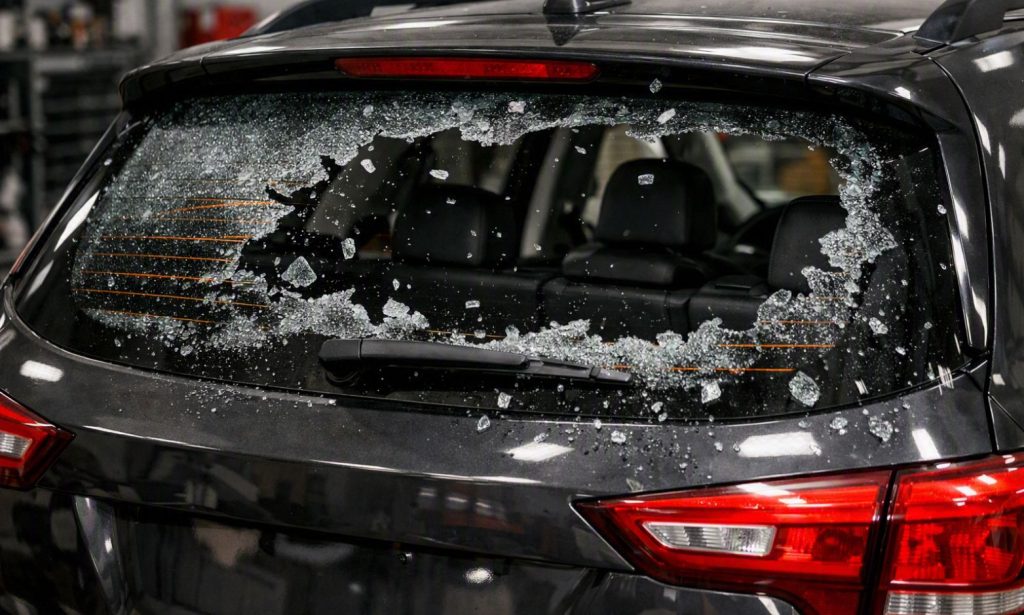
You are driving down the highway and suddenly you hear a loud crack. You check your side mirrors. Nothing hit your car. No collision. No impact. Your rear windshield just shattered spontaneously for no apparent reason.
This seems impossible. How can glass just break on its own. Your rear windshield was fine five minutes ago. You did not hit anything. Nothing hit you. Yet somehow your windshield exploded into pieces.
This happens more often than most people realize. Rear windshields shatter spontaneously constantly. It frustrates drivers who cannot figure out why. It seems random and terrifying. But it is not random at all. There are specific reasons why rear windshields are way more prone to spontaneous shattering than front windshields.
Most people blame manufacturing defects. Some people think it is just bad luck. Actually there are specific physical and design reasons why rear windshields fail spontaneously more often than front windshields.
Understanding why this happens helps you understand your risk. It helps you know whether your rear windshield is likely to fail. It helps you take preventive action if you are at risk.
Mobile Tech Auto Glass deals with spontaneous rear windshield shattering constantly. The team understands the mechanics behind why it happens. The team knows which vehicles are most at risk. This guide walks you through exactly why rear windshields spontaneously shatter and what you can do about it.
The difference between front and rear windshields
Front and rear windshields are made differently. This design difference is the root cause of rear windshield shattering.
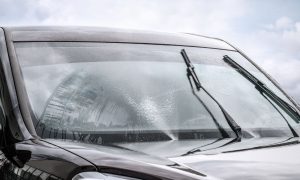
Your front windshield is laminated glass. Multiple layers of glass bonded together with plastic interlayer. If the front windshield cracks, it stays in one piece. The plastic interlayer holds everything together. The windshield does not shatter into flying pieces.
Your rear windshield is tempered glass. Single layer glass heated and cooled rapidly to create internal stress. Tempered glass is incredibly strong. But when tempered glass fails, it shatters completely into tiny pebbles instead of staying together.
This fundamental difference in construction determines how windshields fail. Front windshields crack gradually. Rear windshields explode suddenly.
Why manufacturers use tempered glass for rear windshields
Tempered glass is cheaper than laminated glass. That is the main reason manufacturers use it for rear windshields. Cost savings matter in vehicle manufacturing.
Tempered glass is also lighter than laminated glass. Lighter means better fuel economy. Manufacturers optimize for cost and fuel efficiency.
But tempered glass has this massive weakness. When it fails, it fails catastrophically. The stress inside the glass releases all at once creating explosive shattering.
Mobile Tech Auto Glass understands this trade off and why manufacturers make the choices they do even though it means rear windshields are more prone to failure.
Internal stress in tempered glass causes spontaneous shattering
Tempered glass is created through a process of heating and rapid cooling. This process creates internal stress throughout the glass. The outer surfaces compress. The interior stays under tension.
This stress gives tempered glass its strength. Tempered glass is much stronger than regular glass. But this stress is also a ticking time bomb. If the stress releases, all the tension explodes at once.
Even tiny damage can trigger catastrophic failure
A microscopic chip. A scratch. A tiny flaw in the glass. Any of these tiny imperfections can trigger the internal stress to release suddenly.
You might not even notice the tiny damage. It could be on the edge where you cannot see it. But that microscopic flaw is enough to cause the entire windshield to shatter spontaneously.
This is why rear windshields sometimes seem to break for no reason. Something tiny caused a stress point. The stress released and the entire windshield exploded.
Thermal stress from temperature changes
Temperature swings also trigger spontaneous shattering. A hot day followed by rain. A cold morning followed by warm afternoon. These temperature changes create stress on the glass.
The glass expands and contracts. The internal stress gets triggered. The windshield shatters spontaneously.
This is especially common in climates with big temperature swings. Desert locations with hot days and cold nights. Mountain locations with variable weather. Any location with extreme temperature changes increases spontaneous shattering risk.
According to the National Glass Association, spontaneous rear windshield shattering occurs in approximately 2000 vehicle incidents annually in the United States, primarily due to internal stress release in tempered glass triggered by microscopic damage or thermal stress.
Edge damage is the biggest culprit
The edges of your rear windshield are most vulnerable. The edge is where microscopic flaws are most likely to develop. The edge is also where internal stress is most concentrated.
A tiny chip on the edge. A hairline scratch on the edge. Any edge damage increases shattering risk exponentially. The damage creates a stress point where the internal pressure can release.
Even damage you cannot see with your naked eye matters. Microscopic edge flaws are enough to trigger catastrophic failure.
Improper installation creates edge stress
When a rear windshield is installed improperly, the edges can get pinched or stressed. This installation stress combines with the internal tempered glass stress. The combination makes spontaneous shattering more likely.
Quality installation prevents edge stress. Poor installation increases shattering risk. This is why proper installation matters so much for rear windshield longevity.
Mobile Tech Auto Glass installs rear windshields with care to avoid creating edge stress that triggers spontaneous failure.
Age and stress accumulation increase risk
Rear windshields get more prone to spontaneous shattering as they age. The internal stress does not change. But small damages accumulate over time.
A microscopic flaw here. A tiny chip there. Another small damage point. After years of these small damages accumulating, the stress concentration becomes critical.
Finally one more tiny impact or temperature swing is enough to trigger the release. The aged windshield suddenly shatters seemingly spontaneously.
Older vehicles are more at risk than newer vehicles simply because their rear windshields have had more time to accumulate damage and stress concentration points.
Weather and environmental factors trigger shattering
Certain weather conditions trigger spontaneous shattering. Heavy rain on a hot windshield creates massive temperature differential. Hail impacts create microscopic damage. Wind pressure on the glass creates stress.
These environmental factors alone do not cause shattering. But combined with existing internal stress and microscopic damage, they become the final trigger.
A rear windshield might survive these conditions separately. But the combination of internal stress plus environmental stress plus microscopic damage is enough to cause sudden failure.
Mobile Tech Auto Glass sees spontaneous shattering increase during severe weather because environmental stress becomes the final trigger for already stressed glass.
Manufacturing defects contribute to risk
Some rear windshields have manufacturing defects that increase shattering risk. Improper tempering. Uneven heating during manufacturing. Contamination in the glass.
These manufacturing issues create weak points where shattering is more likely. A windshield with manufacturing defects might fail spontaneously years after installation.
This is rare but it does happen. Some vehicles are simply more at risk than others due to manufacturing variations.
Quality manufacturers work hard to minimize defects. But defects still happen occasionally.
Which vehicles are most at risk
Some vehicles have higher spontaneous rear windshield shattering rates than others. This is partly due to glass manufacturing but also due to vehicle design.
Vehicles with lots of glass area have more shattering risk simply because there is more glass. Vehicles with poor drainage around rear glass have more issues. Vehicles with known design flaws in rear windshield mounting have more problems.
Research before buying a vehicle. Check reviews for rear windshield reliability. Some vehicles are known for spontaneous shattering issues. Others are more reliable.
Mobile Tech Auto Glass knows which vehicles have higher shattering rates and can warn customers about higher risk vehicles.
What you can do to prevent spontaneous shattering
You cannot completely prevent spontaneous rear windshield shattering. But you can reduce risk through preventive measures.
Avoid parking under trees where branches might fall on your windshield. Avoid temperature extremes when possible. Avoid driving in severe weather if you can. Inspect your rear windshield regularly for tiny chips or damage.
These preventive measures reduce shattering risk but do not eliminate it completely.
Getting your rear windshield replaced before failure
If your rear windshield is old or has visible damage, get it replaced proactively. Do not wait for spontaneous failure. Preventive replacement is cheaper than dealing with spontaneous shattering on the highway.
Preventive replacement also eliminates the safety risk of spontaneous shattering while driving.
What to do if your rear windshield shatters spontaneously
If your rear windshield suddenly shatters while driving, stay calm. The window shattering is dramatic but it does not create flying glass like a front windshield.
Tempered glass breaks into tiny pebbles instead of sharp shards. The pebbles are still uncomfortable but not as dangerous as sharp glass pieces.
Pull over safely. Call your insurance company to report the claim. Contact Mobile Tech Auto Glass to schedule replacement.
Your vehicle needs a new rear windshield immediately. Driving without a rear windshield is dangerous and usually illegal.
Understanding the risk without panicking
Spontaneous rear windshield shattering sounds terrifying. But it is actually fairly rare. Millions of vehicles have rear windshields that never fail spontaneously.
Understanding the risk helps you be prepared but does not mean your rear windshield will definitely fail. Many vehicles go their entire lifespan without spontaneous shattering.
Just be aware of the risk. Maintain your vehicle. Get preventive replacement if your rear windshield shows age or damage. You will probably be fine.
Getting your rear windshield checked
If you are concerned about your rear windshield, have it inspected by a professional. A technician can evaluate whether your windshield is at risk for spontaneous failure.
Tiny damage that you cannot see matters. A professional can spot edge damage and stress points. They can tell you whether your windshield is at high risk.
Mobile Tech Auto Glass can inspect your rear windshield and recommend whether replacement is advisable. Schedule your rear windshield inspection today and know whether your vehicle is at risk for spontaneous shattering.
Common questions about spontaneous rear windshield shattering
Can front windshields shatter spontaneously like rear windshields?
Front windshields are laminated glass so they do not shatter spontaneously. They crack gradually and stay together. Rear windshields are tempered glass which can shatter suddenly. Front windshields are much more resistant to spontaneous failure because of their laminated construction.
Does my insurance cover spontaneous rear windshield shattering?
Most comprehensive auto insurance policies cover spontaneous glass failure. Check your specific policy because coverage varies. File a claim with your insurance company. Most policies cover glass replacement with little to no deductible. Contact your insurance agent to verify your coverage.
How quickly does a rear windshield need to be replaced after spontaneous shattering?
Replace your rear windshield immediately. Driving without a rear windshield is unsafe and illegal in most locations. You lose visibility. Debris can enter the vehicle. The structural integrity is compromised. Get replacement done the same day if possible.
Can I prevent spontaneous rear windshield shattering?
You cannot completely prevent it. But you can reduce risk through preventive replacement of old windshields, avoiding extreme temperatures, preventing damage, and regular inspection. Some shattering is unavoidable but maintenance reduces the probability significantly.
What is the difference between spontaneous shattering and impact shattering?
Spontaneous shattering happens for no apparent reason due to internal stress release. Impact shattering happens from a visible hit or contact. You can see what caused impact shattering. Spontaneous shattering seems random because the trigger is internal stress not external impact.