Progressive windshield replacement claims require proper documentation, accurate billing procedures, and professional glass installation. Many Progressive policyholders carry comprehensive coverage that includes auto glass replacement. Understanding how the claim process works allows vehicle owners to restore their windshield quickly and safely.
Windshield replacement is not simply cosmetic. It restores structural integrity, supports proper airbag deployment timing, and maintains advanced driver assistance systems. When filing a Progressive windshield replacement claim, correct installation and calibration are critical.
Progressive typically covers windshield replacement under comprehensive auto insurance coverage. Policyholders may initiate a claim online, through the Progressive mobile app, or by contacting their agent. Once the claim is filed, a claim number is issued for tracking and billing purposes.
In Arizona, many drivers carry zero deductible glass coverage depending on policy details. Arizona law allows vehicle owners to choose their preferred auto glass provider. While Progressive may suggest a network shop, the final repair decision belongs to the vehicle owner.
Professional windshield replacement providers can bill Progressive directly. This often eliminates out of pocket expenses for the policyholder. Proper claim processing includes submitting glass specifications, labor documentation, and calibration records when required.
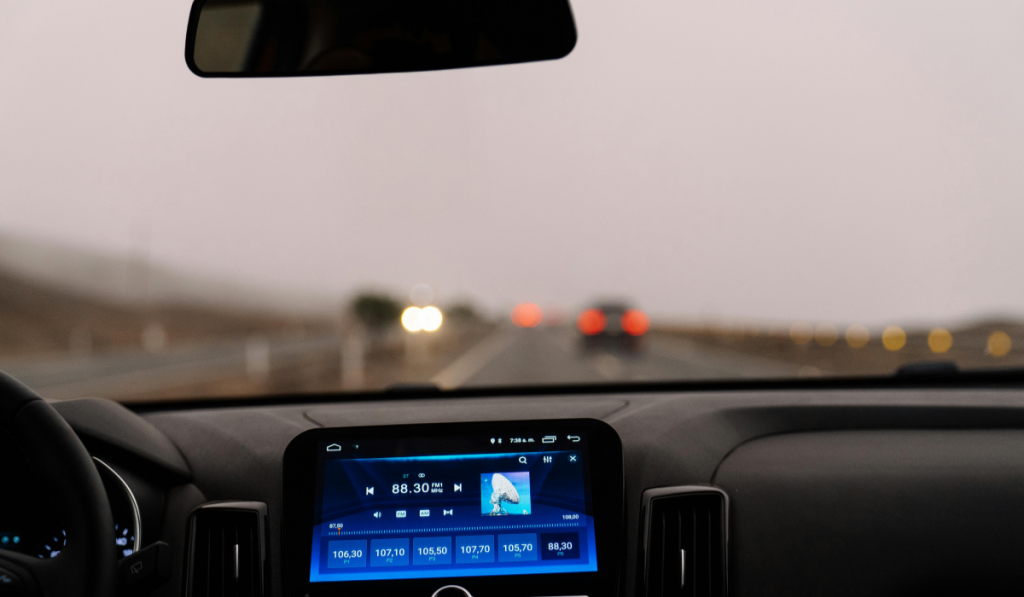
Modern vehicles rely on windshield mounted cameras and sensors for advanced driver assistance systems. After windshield replacement, ADAS calibration may be required to restore safety system accuracy.
Progressive windshield replacement claims frequently include calibration costs when required by manufacturer specifications. Calibration ensures lane keeping assist, forward collision warning, and adaptive cruise control function properly.
Static calibration is completed in a controlled service environment using manufacturer alignment targets. Dynamic calibration requires monitored driving under specific road conditions. Some vehicles require one method while others require both.
Progressive policies may cover OEM or OEM equivalent glass depending on individual policy terms. OEM glass matches original factory specifications for thickness and optical clarity. OEM equivalent glass must meet federal safety standards.
Optical clarity is essential for vehicles equipped with camera based safety systems. Improper glass selection can create distortion that affects safety feature performance. Professional installation ensures compliance with manufacturer requirements.
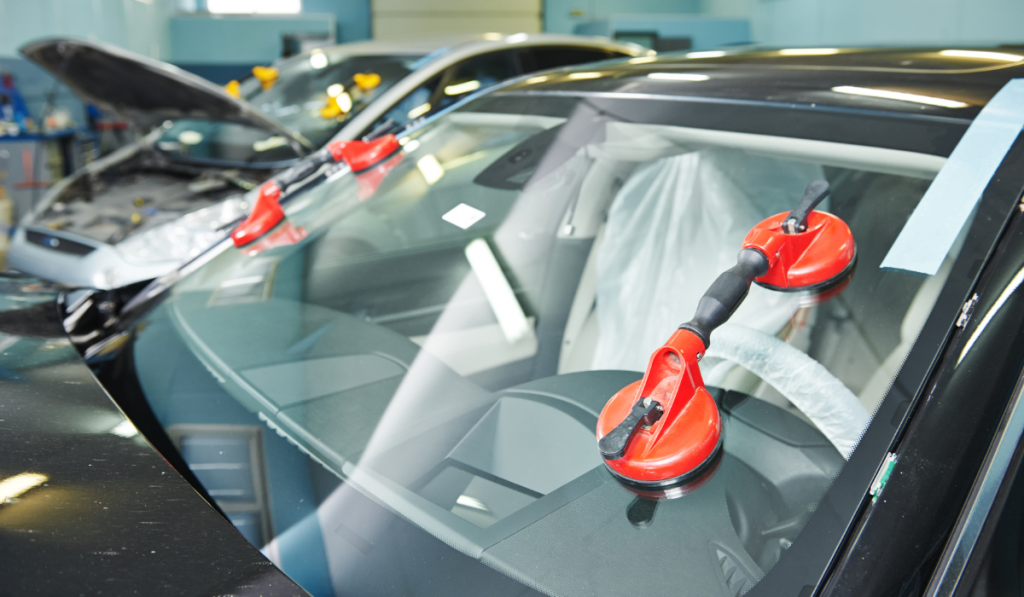
Windshields must meet strict federal motor vehicle safety standards. Improper bonding can weaken structural integrity and affect electronic systems. High strength urethane adhesives and correct curing time are critical.
The windshield supports roof integrity and helps control airbag deployment. Professional installation restores structural strength and ensures advanced systems operate correctly.
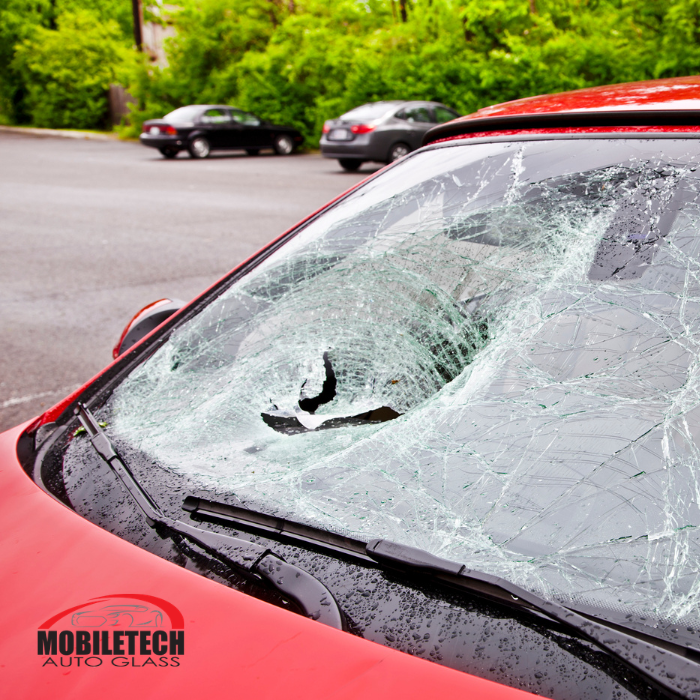
Prompt windshield replacement prevents crack expansion and protects long term vehicle value. Progressive windshield replacement services should include full documentation, direct billing support, and accurate ADAS calibration when required.