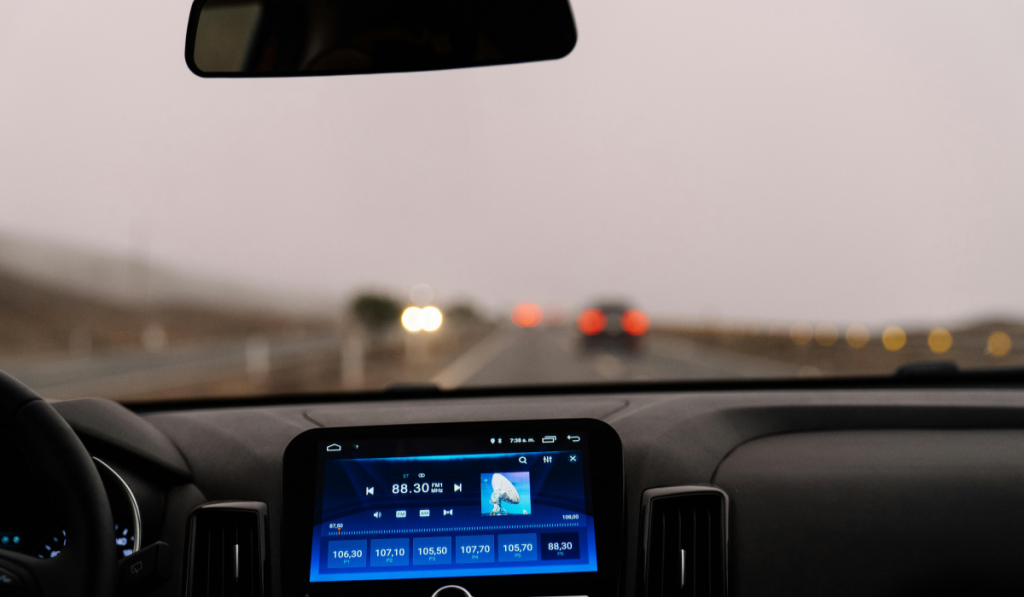
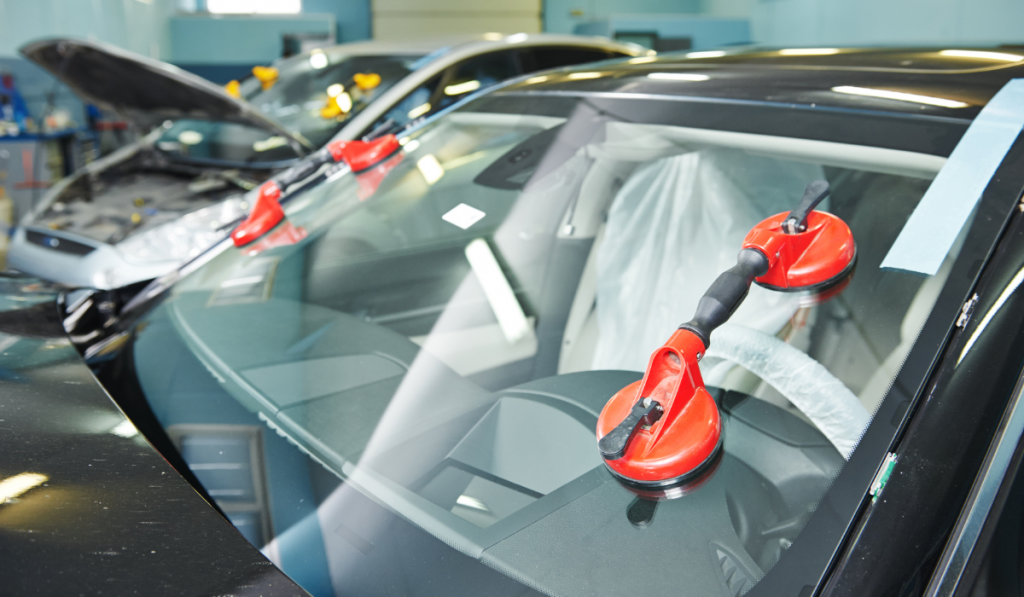
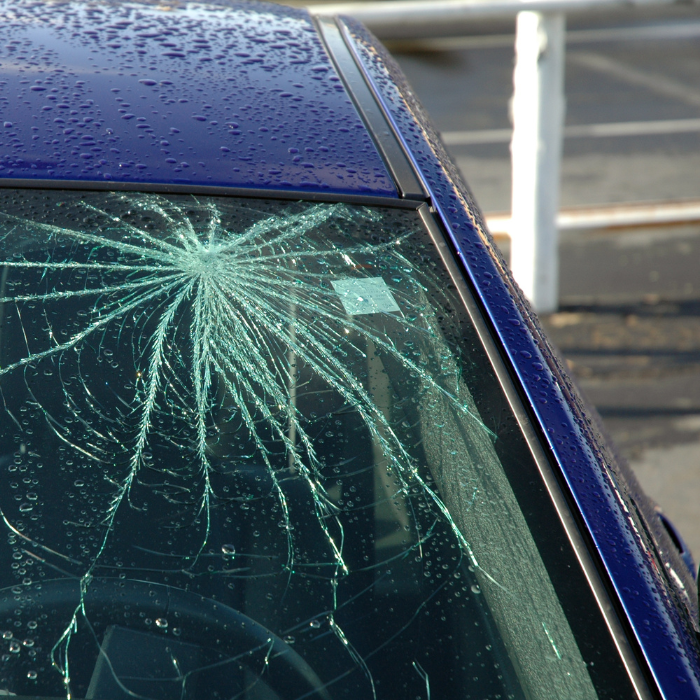
Ford windshield replacement requires precision installation, correct glass specifications, and proper calibration of factory safety systems. Modern Ford vehicles integrate cameras, rain sensors, and driver assistance technology directly into the windshield assembly. Replacing the windshield must restore structural integrity and full electronic functionality.
Ford windshields are engineered as structural components of the vehicle. They contribute to roof strength during rollover events and ensure proper airbag deployment timing. Incorrect installation can compromise both safety and durability.
Many late model Ford vehicles use laminated acoustic glass to reduce cabin noise. Certain models include solar coated glass, heated elements, rain sensing systems, and heads up display compatibility. These features require exact optical clarity during windshield replacement.
Ford windshield replacement uses high strength automotive urethane adhesives. Safe drive away time must be observed to allow proper curing. Professional installation ensures long term bonding strength and structural performance.
Many Ford models are equipped with Ford Co-Pilot360 safety systems. This includes lane keeping assist, pre-collision assist with automatic emergency braking, blind spot monitoring, and adaptive cruise control. These systems rely on windshield mounted cameras.
After Ford windshield replacement, ADAS calibration is often required. Calibration aligns forward facing cameras to factory specifications to maintain proper system performance.
Static calibration is performed in a controlled environment using alignment targets. Dynamic calibration requires monitored driving under specific conditions. Some Ford vehicles require one method, while others require both depending on model and trim.
We provide Ford windshield replacement for F-150, Super Duty, Explorer, Escape, Edge, Mustang, Expedition, Bronco, and other Ford models. Each vehicle has unique windshield dimensions and camera mounting configurations.
The Ford F-150 and Super Duty trucks often include large windshield surfaces with integrated camera systems and rain sensors. Truck platforms may also include towing assist technology that depends on proper camera alignment.
Explorer, Edge, and Expedition models frequently include adaptive cruise control and lane centering technology. Performance models like Mustang require exact curvature alignment to maintain visibility and safety system accuracy.
OEM Ford windshields are manufactured to match original factory specifications for clarity, thickness, and structural integrity. OEM equivalent glass must meet federal safety standards.
Improper glass selection can cause distortion affecting camera based safety systems. Professional Ford windshield replacement ensures correct fit and accurate calibration.
Advanced driver assistance systems depend on precise camera imaging. Even slight optical distortion can affect lane assist or emergency braking. Correct calibration restores manufacturer level performance.
Comprehensive auto insurance policies often cover Ford windshield replacement. Vehicle owners generally have the right to select their repair provider. Proper documentation of calibration procedures may be required for insurance claims.
Prompt replacement of cracked or damaged glass prevents further structural compromise. Professional Ford windshield replacement restores clarity, safety, and driving confidence.