In this article, you will learn:
You will discover the application of layered material, advanced coatings and embedded technology in modern windshield glass to enhance safety, reduce noise, block UV rays, and contribute to the structural integrity of your vehicle. The article also discusses the importance of the correct installation and quality of glass for long term performance and the protection of the driver.
Introduction
Your windshield looks like a simple piece of glass. You look through it every day. You probably never think twice about what it actually is or how it works.
But that piece of glass sitting in front of you is one of the most engineered components in your entire vehicle. Serious science went into creating it. Multiple layers of different materials. Chemical treatments. Precise manufacturing processes. All designed to do way more than just keep wind and bugs out of your face.
Modern windshield glass technology protects you during crashes. It supports your roof structure. It blocks harmful UV rays. It reduces road noise. It even hosts the sensors and cameras that run your car’s safety systems.
The glass in cars today is completely different from regular window glass in your house. Different composition. Different structure. Different purpose. Understanding these differences helps you appreciate why windshield replacement costs what it does and why proper installation matters so much.
Mobile Tech Auto Glass works with advanced windshield technology every single day. The team knows exactly what goes into manufacturing modern auto glass and why each component matters for safety and performance. This guide breaks down the actual science behind the glass protecting you every time you drive.
Why regular glass does not work in cars
Before getting into what windshield glass is, it helps to understand why regular glass fails completely for automotive use.
Regular window glass in your house is just glass. Single layer. When something hits it hard, it shatters into large sharp shards. Those shards are incredibly dangerous. They can cause serious cuts. They fall everywhere. Total disaster in a moving vehicle.
Regular glass also has zero flex. It cannot bend at all without breaking. Cars flex and twist constantly while driving. Roads are not perfectly flat. Vehicles corner and accelerate and brake. All of this creates forces that move the body slightly. Regular glass would crack constantly from normal driving stress.
Temperature changes destroy regular glass in automotive applications too. Your car sits outside in freezing cold overnight. Morning sun heats one side rapidly. The temperature difference between hot and cold areas creates stress. Regular glass cracks from thermal shock regularly.
Regular glass provides no structural support. Car roofs need reinforcement. The windshield actually contributes significant strength to the overall structure. Regular glass would just be a weak point.
Finally, regular glass offers zero protection during collisions. No give. No absorption of impact energy. Just instant shattering. Completely unacceptable for something sitting right in front of driver and passengers.
Early cars used regular glass in windshields. Accidents were horrific. People died from windshield injuries regularly. The auto industry had to solve this problem or cars would never become truly safe.
How laminated glass changed everything
The breakthrough that made modern windshields possible was lamination. This process bonds multiple layers together into one piece that behaves completely differently from regular glass.
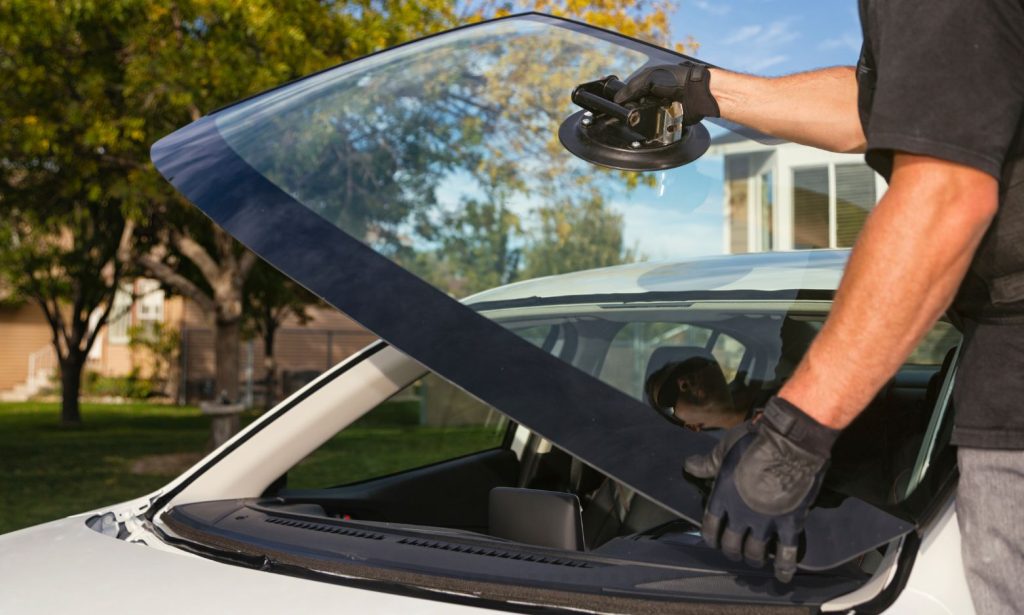
Modern windshield glass technology uses three layers. Two sheets of glass with a plastic layer sandwiched between them. This plastic layer is typically polyvinyl butyral, or PVB for short. Some newer windshields use advanced polymers with even better properties.
The manufacturing process bonds these layers together permanently. Heat and pressure fuse everything into a single unit. The result looks like one piece of glass but actually contains three distinct layers working together.
This laminated structure creates completely different behavior when something hits it. The outer glass layer might crack. But the plastic layer holds everything together. The glass does not shatter into flying shards. It stays bonded to the plastic. Even severe impacts leave the windshield intact as one piece, just cracked.
According to the Society of Automotive Engineers, laminated windshield glass reduces serious facial injuries in frontal collisions by over 60% compared to older tempered glass designs, preventing an estimated 3,000 serious injuries annually in the United States alone.
The lamination also lets the windshield absorb impact energy. When something hits it, the plastic layer flexes slightly. This flex absorbs energy instead of transferring all of it to whatever is behind the windshield. That energy absorption saves lives during crashes.
The plastic interlayer serves another critical purpose. It blocks ultraviolet radiation from the sun. Regular glass lets UV rays pass through. The PVB layer filters out 99% of UV. This protects your skin during long drives and prevents your interior from fading and cracking from sun damage.
Mobile Tech Auto Glass only installs high-quality laminated windshields that meet or exceed safety standards. The team knows that cutting corners on glass quality means cutting corners on customer safety.
The glass itself is not simple either
Glass in a windshield is even more complex than that in a window! Materials with particular compositions of glass are used by manufacturers in auto parts.
The soda-lime glass is the basic glass of today that is used in windshields. It is a compound compound that has a certain proportion of silica, sodium oxide and calcium oxide. Each brand will have a different formulation, but all are designed for the same purpose. Make glass of a desired strength, clarity and thermal-quality.
During manufacture, the glass is heated and cooled to make it tough. Heat treatment increases the strength of the glass considerably. Tempered glass is about 4-5 times stronger than normal glass for the same thickness. This resistance to rock impact and normal stresses is beneficial for the windshield.
The glass surface is also given special chemical treatments. These treatments render the glass more resistant to scratches and pitting. Road grit constantly bombards your windshield. If there are no surface treatments, the glass would get pitted which would decrease clarity and cause glare.
High-quality windshields may have extra coatings on the glass. Hydrophobic coatings help water bead up and run off rapidly, thus enhancing visibility in the rain. These coatings are similar to a built-in Rain-X.
Infrared reflective coatings are other types of windshields. These coatings will reflect heat from the sun, which will help to keep your car cooler. The coating is made of tiny particles of metal which absorb infrared radiation whilst not affecting visible light.
Special PVB formulations are used in the interlayer of acoustic windshields. This acoustic PVB has a thickness and flexibility greater than standard PVB. It reduces the transfer of sound vibrations from the glass. This leads to considerably reduced road noise in the cabin. Acoustic glass is nearly always used in high-quality cars.
The curved shape serves multiple purposes
Modern windshields are not flat. They curve in multiple directions. This complex shape serves practical purposes beyond just looking sleek.
The curve improves aerodynamics. Flat glass creates turbulence as air flows over it. Curved glass guides air smoothly over the vehicle, reducing drag. Better aerodynamics means better fuel economy and less wind noise.
The curve also distributes stress more evenly across the glass. When something impacts the windshield, the curved shape helps spread that force across a larger area. This makes the windshield more resistant to breaking from concentrated impacts.
The curve increases structural strength. A curved piece of glass is inherently stronger than a flat piece of the same thickness. The curvature resists bending and flexing. This added strength lets the windshield contribute meaningfully to the vehicle’s overall structural rigidity.
Creating these complex curves during manufacturing requires sophisticated equipment and precise control. Manufacturers heat the glass until it becomes slightly flexible, then form it over molds that create the exact curve needed. The glass cools while maintaining this shape permanently.
Different vehicles need different curves. A sports car has more aggressive curves than a truck. Manufacturers create custom molds for each vehicle model. This is part of why windshields for different cars are not interchangeable, even if the overall size seems similar.
Mobile Tech Auto Glass sources windshields specifically manufactured for each vehicle. Generic or universal windshields do not exist in modern auto glass. Each one gets engineered for its specific application.
How windshields connect to vehicle structure
The windshield does not just sit in the opening. It bonds to the vehicle structure using high-tech adhesives that create permanent connections.
Modern windshield adhesives are urethane-based polymers. These adhesives cure through chemical reactions with moisture in the air. Once fully cured, they create bonds stronger than the glass itself. You literally cannot remove a properly installed windshield without breaking the glass.
The adhesive does more than just hold the glass in place. It transfers structural loads between the windshield and the vehicle frame. During a crash, the windshield and adhesive work together to maintain cabin integrity. This prevents roof collapse during rollovers and helps airbags deploy correctly.
The adhesive also creates a seal that keeps water and air out. A quality installation results in zero leaks and zero wind noise. The seal remains flexible enough to handle temperature changes and vehicle flexing without cracking or separating.
Different adhesives cure at different rates. Some require several hours before you can drive safely. Others use fast-cure formulas that set in an hour. Mobile Tech Auto Glass uses adhesives specifically designed for each installation situation, following manufacturer recommendations exactly.
The bond between windshield and vehicle structure is so critical that improper installation can compromise crash safety significantly. This is why professional installation matters. The glass quality means nothing if the installation fails to create proper structural bonding.
Embedded technology in modern windshields
Modern windshield glass technology goes way beyond just glass and plastic layers. Manufacturers now embed various technologies directly into the windshield itself.
Antenna systems live inside many windshields. Thin metal traces embedded in the glass receive radio signals, GPS signals, and cellular signals. These embedded antennas work better than external antennas and improve vehicle aesthetics by eliminating visible antenna hardware.
Rain sensors mount to the windshield and detect moisture. When rain hits the glass, the sensor automatically activates the wipers. The system adjusts wiper speed based on how much rain it detects. This technology requires precise positioning on the windshield to work correctly.
Heating elements embedded in the glass keep sensors and cameras clear in winter. Modern cars mount ADAS cameras to the windshield. Snow and ice covering the glass blind these cameras. Embedded heating elements melt ice and snow from critical viewing areas.
Some luxury vehicles include heads-up display projectors. These systems project information onto the windshield so drivers see speed, navigation, and warnings without looking away from the road. The windshield glass needs special treatments to display these projections clearly.
Research from Corning, a major glass technology company, shows that windshields with embedded technology reduce driver distraction by keeping critical information in the primary sight line, resulting in measurable improvements in reaction times during unexpected events.
Each of these embedded technologies requires precise calibration and positioning. Replacing a windshield with embedded tech requires way more expertise than replacing basic glass. Techs need training on specific systems and access to calibration equipment.
Mobile Tech Auto Glass stays current on all embedded windshield technologies. The team handles installations involving antennas, sensors, heating elements, and ADAS cameras regularly.
Quality differences between windshields
Not all replacement windshields meet the same quality standards. Understanding the differences helps you make informed choices.
OEM windshields come from the original equipment manufacturer. The same company that made your factory windshield makes the replacement. OEM glass matches factory specifications exactly. Thickness, curve, treatments, coatings, everything identical to original.
OEE windshields meet original equipment equivalent standards. Different manufacturers make them, but they match or exceed OEM specifications. Quality OEE glass performs identically to OEM at often lower cost.
Aftermarket windshields vary widely in quality. Some aftermarket glass matches OEM quality. Other aftermarket glass cuts corners on thickness, coatings, or manufacturing precision. The lowest-priced aftermarket glass often comes from overseas manufacturers with minimal quality control.
Cheap windshields show their quality problems quickly. Thinner glass cracks more easily. Poor optical quality creates distortion that causes eye strain. Inadequate UV protection lets your interior fade. Improper curves do not seal correctly and create wind noise.
Quality glass costs more upfront but lasts longer and performs better. Cheap glass seems like a bargain until you replace it again in two years because a small rock created a massive crack that would not have broken quality glass.
Mobile Tech Auto Glass explains quality options clearly to every customer. The team never pushes the most expensive option, but they do explain what you get at different price points so you can make informed decisions.
Why understanding glass science matters
Knowing the science behind modern windshield glass technology helps you appreciate the engineering protecting you and your passengers.
That windshield is not just glass. It is a carefully engineered safety system. Multiple materials working together. Precise manufacturing processes. Advanced bonding techniques. Embedded technologies.
All of this science serves one purpose. Keeping you safe while providing clear visibility and contributing to overall vehicle performance.
When you need windshield replacement, choosing quality glass and professional installation means choosing to maintain that safety and performance. Cutting corners on glass quality or installation compromises the science that protects you.
Mobile Tech Auto Glass respects the engineering that goes into modern windshields. The team treats every installation as the safety-critical job it actually is. Quality glass, proper adhesives, correct techniques, and required calibrations all come standard. Schedule your windshield service now and know that every bit of science in your windshield will keep working exactly as designed.
Common questions about windshield glass
- What makes auto glass different from regular glass? Auto glass uses laminated construction with multiple layers bonded together. Two sheets of glass sandwich a plastic interlayer that holds everything together when the glass breaks. This prevents shattering and provides structural support. Regular glass is single-layer and shatters into dangerous shards. Auto glass also uses specific compositions and treatments that increase strength, block UV radiation, and improve clarity compared to regular window glass.
- Why do windshields cost so much more than regular glass? Modern windshield glass technology involves complex manufacturing. Multiple layers bonded with precise heat and pressure. Custom curves molded specifically for each vehicle. Surface treatments and coatings. Embedded antennas and heating elements. Quality control testing. The engineering and materials cost significantly more than flat regular glass. Mobile Tech Auto Glass uses quality glass because customer safety depends on it.
- Can you repair modern laminated windshields or do they need replacement? Small chips and cracks under certain size limits repair successfully in laminated windshields. The plastic interlayer prevents damage from spreading like it would in regular glass. Repair resin fills the damaged area and bonds to the interlayer. Larger damage or damage in critical locations requires full replacement. A qualified tech evaluates each situation individually based on size, depth, and location.
- How long does modern windshield glass last? Quality windshields last the life of the vehicle when properly maintained. The glass itself does not degrade. The laminated structure stays bonded indefinitely. Surface coatings might wear over many years but the core glass remains sound. Replacement becomes necessary only when damage occurs from impacts or when seals fail due to improper installation. A properly installed quality windshield should never need replacement unless physically damaged.
- Do all windshields block UV radiation equally? No. The plastic interlayer in laminated windshields blocks most UV, but quality varies. Premium windshields include advanced PVB formulations that block 99% or more of UV radiation. Budget windshields might use cheaper interlayers that allow more UV through. The difference affects long-term interior condition and skin protection during extended driving. Ask specifically about UV protection ratings when choosing replacement glass.